Insurance inspectors, non-renewals and the FAIR Plan
What to expect, and what to do at each step. Updated October 11, 2026.
When an insurance inspector comes
Insurers send inspectors to new homes and, in high-risk areas, sometimes every year. Some also check homes from the air. (CoverageCat, Digital Insurance)
What they look at
- The roof: age, material and condition
- Plants and brush near the house, and branches over the roof
- Decks, porches and outbuildings
- Building materials, like siding, vents and eaves
- Whether a fire truck can get in and turn around
The visit is mostly outside, and you usually do not need to be home. Unlock gates and keep pets inside. (SageSure, an insurer)
Before they come
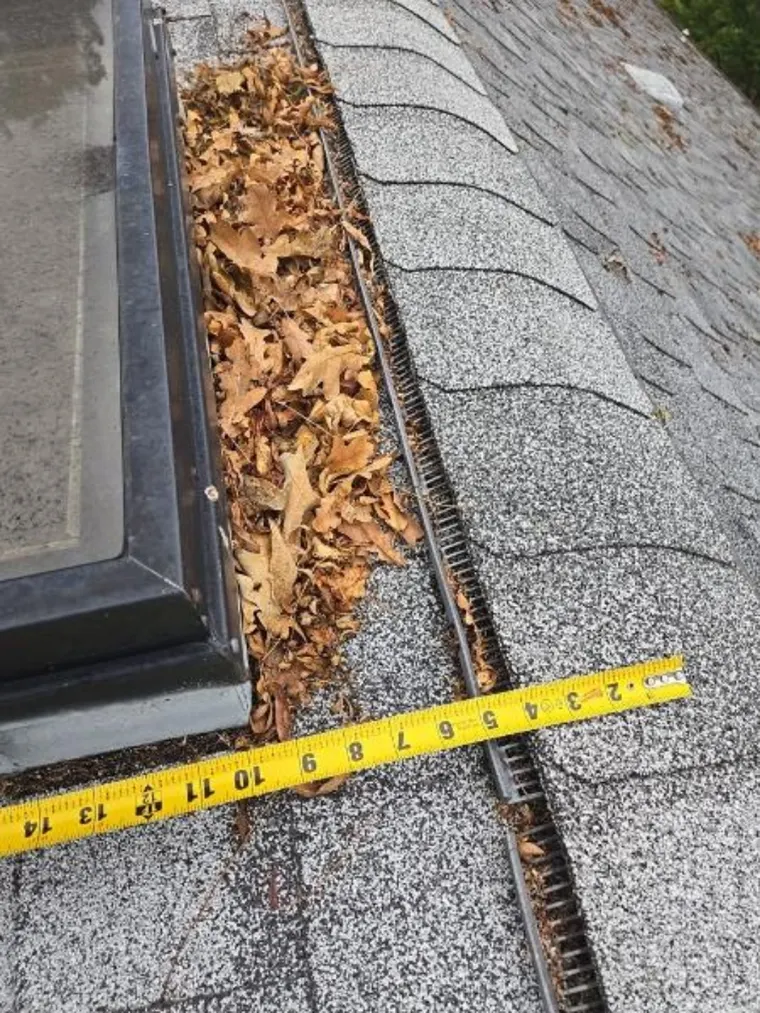
- Clear the roof and gutters
- Clear the first 5 feet: bark mulch, leaves, firewood, stored items
- Trim branches over the roof
- Clear under the deck
- Cut dry grass and brush
These are cheap, and they are the first things anyone notices. See what to clear at 5, 30 and 100 feet.
After
Findings usually go to you or your agent. Some insurers give you a list of fixes instead of dropping you. Fix them, keep dated photos and receipts, and send proof. (SageSure)
If you get a non-renewal notice
California law says the notice must come at least 75 days before your policy ends. It must give the specific reasons, a phone number to talk to the insurer, and how to have the Department of Insurance review it. It must also tell you about the FAIR Plan and the state's Home Insurance Finder. (Insurance Code 678)
- Read the reason. If it is about brush, roof or other fixable things, ask if they will reconsider once you fix them.
- Ask for your wildfire risk score. Your insurer has to give it to you and explain how to lower it. You can appeal a score you think is wrong. (Department of Insurance)
- Shop early. An independent broker can check several insurers at once. Start 60 to 90 days before the end date. (CoverageCat)
- Get help. The Department of Insurance helps with complaints: 800-927-4357.
The FAIR Plan
The FAIR Plan is California's insurer of last resort. It is for homes no regular insurer will cover.
- It covers fire, lightning, smoke and internal explosion, up to $3 million for a home. (California Association of Realtors)
- It does not cover liability or theft. A separate Difference in Conditions policy can fill those gaps, so it works more like a regular policy. (Insurance.com)
- It costs more than a regular policy, for less coverage. (Insurance.com)
- You get it through a broker, usually after regular insurers have turned you down. It may require an inspection, and any problems have to be fixed first. (Insurance.com)
- It has discounts. Up to 12 wildfire discounts, up to 16.4% off the wildfire part of the premium. Two are about the first 5 feet. (FAIR Plan)
Many people treat the FAIR Plan as a bridge: get covered, do the work, then shop for a regular policy again.
We are not an insurance company, agent or broker, and this is not legal advice.
Sources
- California Insurance Code section 678 (non-renewal notices)
- Safer from Wildfires FAQ, California Department of Insurance
- Discounts for dwelling fire policies, California FAIR Plan, November 2025
- What is the FAIR Plan, California Association of Realtors, 2025
- What is the California FAIR Plan?, Insurance.com (not an official source)
- What to expect during inspections, SageSure (an insurer)
- How insurance companies evaluate fire risk, CoverageCat (not an official source)
- California proposes limiting insurers' use of aerial imagery, Digital Insurance, January 2026