How to keep your home insurance in a fire zone
What California insurers look for now, and what to do first. Updated October 11, 2026.
What is happening with insurance
- Some insurers now require the IBHS Wildfire Prepared Home designation for new policies in high-risk areas. Farmers, for example, writes homes in high fire risk areas only if they meet its Plus level. (rate filings, January 2026)
- Being outside a mapped fire zone does not make you safe from a non-renewal. Insurers use their own risk scores, not just CAL FIRE's maps. (Department of Insurance)
- Insurers have been dropping homes in fire zones. In 2024, State Farm said it would not renew about 72,000 California home and apartment policies. (NBC News, April 2024)
- When insurers drop a home, many owners end up on the FAIR Plan, which the Department of Insurance describes as limited coverage at a higher cost. (Department of Insurance, March 2026)
- Insurers look at homes from the air. A 2026 bill, AB 1559, would stop them from using aerial images as the reason for a non-renewal. (Digital Insurance, January 2026)
What insurers must reward
Under the state's Safer from Wildfires rules, insurers must offer discounts for these steps. (Department of Insurance)
- A 5-foot ember-resistant zone around the house
- Plants and debris cleared from under decks
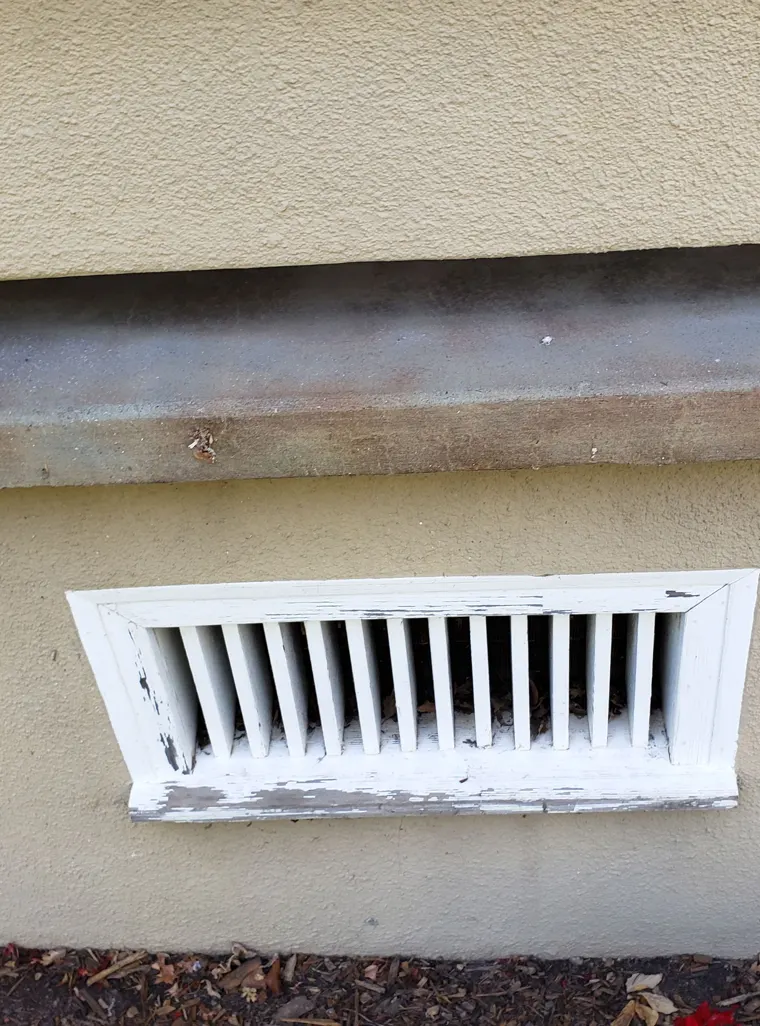
- Noncombustible bottom 6 inches of the walls
- Ember- and fire-resistant vents
- A Class A fire-rated roof
- Enclosed eaves
- Double-pane windows or added shutters
- Sheds and outbuildings at least 30 feet away
- Trees trimmed and brush cleared to defensible space rules
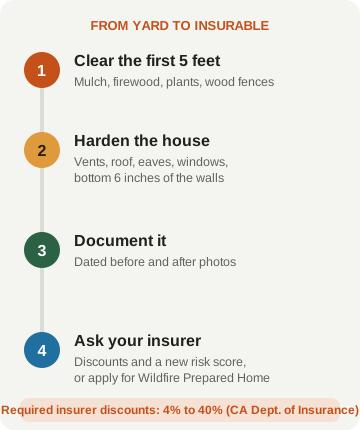
The Department says these discounts range from 4% to 40%, with the biggest going to the highest-risk homes. Amounts vary by insurer. The Department keeps a list of insurers offering discounts.
If you are on the FAIR Plan, two of its wildfire discounts are about the first 5 feet. (California FAIR Plan)
Your insurer has to give you your wildfire risk score when you apply, before it renews or drops your policy, and when you ask after finishing work. You can appeal a score you think is wrong.
The Wildfire Prepared Home designation
Wildfire Prepared Home is a designation from IBHS, the Insurance Institute for Business and Home Safety. It started in California in 2022. (Department of Insurance)
- A noncombustible zone is required around the home and attached decks. No plants, wood mulch or other things that burn. (IBHS)
- There are two levels. Base covers ember defense. Plus adds protection from flames and heat.
- The work is checked by a third party. A designation lasts three years.
- Some of California's largest insurers have committed to writing policies for designated homes. (Department of Insurance, March 2026)
IBHS calls the designations "markers of both the home's survivability and insurability." (Digital Insurance, April 2026)
We are independent and not affiliated with IBHS. IBHS grants the designation after its own review.
See what each insurer looks for, from State Farm to the FAIR Plan.
How Zone 0 fits in
The state's Zone 0 rule covers the same first 5 feet. The Board of Forestry approved it in August 2026. So the work that helps with insurance today also gets you ahead of the rule. Read the Zone 0 guide.
What to do this month
- Check your address for your fire hazard zone and local rules.
- Call your insurer. Ask for your wildfire risk score and which discounts they offer.
- Clear the first 5 feet: bark mulch, firewood, dead leaves, anything stored against the house.
- Take dated photos before and after. If an inspector is coming, here is what to expect.
- Make a list of house upgrades in the order that matters for your home.
Related
Sources
- Wildfire Safety and Insurability briefing, California Department of Insurance, March 2026
- Safer from Wildfires: frequently asked questions, California Department of Insurance
- Insurers offering wildfire mitigation discounts, California Department of Insurance
- Discounts for dwelling fire policies, California FAIR Plan, November 2025
- About Wildfire Prepared Home, IBHS
- 2 million more homes can get wildfire mitigation discounts, Digital Insurance, April 28, 2026 (trade news)
- California proposes limiting insurers' use of aerial imagery, Digital Insurance, January 21, 2026 (trade news)
- State Farm non-renewals in California, NBC News, April 2024